I have spent the last 8 horrified/fascinated hours digging down the rabbit hole of a famous Cornell University marketing professor’s fake-research empire crumbling as soon as anyone actually looked at his methods and it just keeps getting crazier the more I look. Among other highlights, the Joy of Cooking copyright holders actually caught him before the scientific community did.
For reference: this is a dude who has mostly worked in the psychology of food and nutrition. He got famous for publishing a whole lot of catchy studies about what makes people eat more or less, and you’ve probably heard some of his stuff that got turned into huge media soundbites. Probably his most famous one was an experiment where they served people soup, but half the people had trick bowls that were connected with a tube to a pot of soup under the table so they constantly refilled, and he claimed people ate more without realizing. I remember reading about it in Muse when I was in middle school and everything. This dude is a tenured professor at an Ivy League school! He’s done TED talks! He’s authored books! He’s done speech tours! He was a policy advisor for the USDA!
He published a paper that requires you not to notice that the amount of food eaten by children and the amount not eaten add up to more than the amount served in all three categories.
Half his papers are >40% copy-pasted from other papers of his. In one case the data table was copied over, despite allegedly being from a different study. He allegedly sent out three different surveys to three different demographics several years apart and got exactly 770 back for all of them. (In one case this was a 77% response rate. For a randomly mailed survey.) One of his papers claimed in the text to have been conducted on 8-11 year-olds, but was actually conducted on toddlers age 3-5. Another paper claimed Pringles weigh 11 grams each. (For metric-challenged Americans, that’s basically the weight of two quarters.) Sometimes what was in charts didn’t match what was reported in the paper text. Sometimes graphs were misleading. Sometimes his reported sample sizes changed within a paper.
Stephanie Lee at Buzzfeed News seems to have been leading the journalistic charge on this, but if you feel up to reading scientists talking about statistical analysis, more of the gory details of exactly how bad this is are over here.
I especially recommend the links to James Heathers’ SPRITEanalyses, because he’s hilarious even though I only know, like, 30% of the statistics involved. (At least read the first one, for the statistical analysis that concluded that one of the children in the study was secretly a Clydesdale.)
The Joy of Cooking thing is summarized in this New Yorker article: a letter This Dude published in 2009 claimed JoC’s recipes had gotten 44% higher in calories per serving since it was published. The people who owned the estate pointed out that he’d only looked at 18 recipes in the cookbook, out of 4500. He claimed there were only 18 that had been in it since it was first published. Since they were working on putting together a new edition, they found that there were 245. It turned out that he’d only looked at things that had exactly the same names, which resulted in comparing some totally dissimilar recipes, AND that some of the recipes he’d looked at didn’t even specify serving size. When all the rest of this broke, the Joy of Cooking Twitter dragged him into the ground in exactly the tone you would expect from the Joy of Cooking dragging someone into the ground.
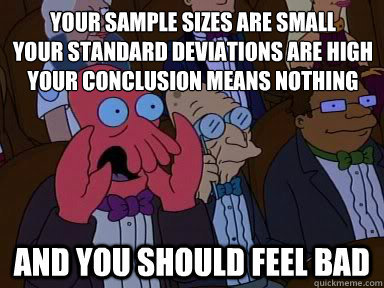
In short:
The whole story has been going on for well over a year, too – Chronicle of HIgher Education ran a story on his p-hacking issues in March of 2017 when it appeared that he might just have made a few typographical errors and maybe wasn’t aware of latest developments in the field of statistics, rather than just being a full-on fraud. It’s well worth a read, they interview him and he does a very early attempt at charming spin control.
They talk a lot about why he might have been published even if people noticed his math/methodology was wrong, the gaps in the gates at peer-reviewed journals and such, but I suspect a lot of it is that he was frequently “confirming” stereotypes about the relationship between food, self control, and obesity.


 myblog